How to Build a Balanced Meal Prep Plan
How to Build a Balanced Meal Prep Plan
Getting your weekly meals dialed in saves time, stress, and money. The key isn’t just about cooking faster—it's making sure your prep hits all the nutritional marks without turning your kitchen into a chaos zone. When you streamline your tools and choices, you’ll free up hours each week and actually enjoy your meals afterward.
Forget the guesswork. This guide shows you how to set up a simple, reliable meal prep plan that balances protein, carbs, and fats—using gear that works for real life. Your goal? More rest, more flavor, and less cleanup—without sacrificing nutrition or variety.
Table of Contents
Choose Your Core Cooking Tools
Start with reliable, versatile gear. An Instant Pot or pressure cooker cuts down cooking time for grains, beans, and tough cuts. A good air fryer crisps proteins quickly—think chicken breasts or roasted veggies—without heating the entire kitchen. Invest in a quality blender; it’s your go-to for smoothies, sauces, and even thick soups in minutes. Durable, easy-to-clean cookware—like non-stick or stainless steel—makes meal assembly smoother and cleanup faster.Plan Your Meal Components
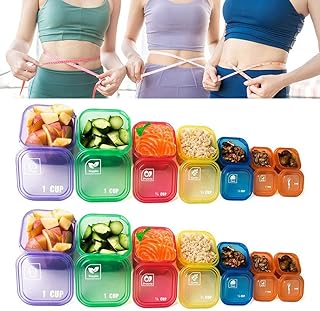
Balance starts with thoughtful planning. Pick a protein—chicken, beef, tofu or fish—that you can prepare in bulk. Pair it with a whole grain—quinoa, brown rice, or sweet potatoes—which reheat well and stay flavorful. Add plenty of colorful veggies—roasted, steamed, or raw—to boost nutrients and flavors. Use your meal prep containers to portion everything out ahead. Aim for 3 main components per meal: a lean protein, a complex carb, and vegetables. Don’t forget healthy fats—avocado, nuts, or olive oil—that make meals satisfying without extra fuss.Batch Cook Smart
Batch cooking is your best friend. Use your slow cooker or Instant Pot to make large quantities of beans, stews, or roasted vegetables. Roast several sweet potatoes and a batch of chicken at once; they reheat quickly and taste just as good a few days later. Don’t forget your air fryer for quick, crisp assembling. You can cook protein or veggies while grains are simmering. The combo cuts your cooking time in half compared to stovetop or oven alone.Organize Food Storage
Efficient storage is critical. Use clear, stackable containers—label everything with dates. This prevents forgotten leftovers and keeps your fridge organized. Group meals by day or type to grab-and-go faster. Prioritize leak-proof, microwave-safe containers. They are your daily drivers for reheating and convenience. Freeze portions for future meals, especially if prepping ingredients in advance.Balance and Flexibility
Ensure each meal has a mix of macronutrients. Avoid carbs + protein only—add fats and fiber to stay satisfied longer. Incorporate different proteins and veggies each week to prevent menu fatigue. Stay flexible—use versatile ingredients like eggs or canned salmon that adapt across meals. Remember, your meal plan isn’t etched in stone; adapt based on what’s in season or on sale.Optimize Your Prep Routine
Dedicate a specific time each week—say, Sunday afternoon. Set up your workspace, gather your gear, and batch prep multiple meals in one session. Keep your prep efficient: wash and chop vegetables while grains cook; season proteins during their cook time. Cleaning as you go speeds up cleanup. Use multi-purpose tools—like a good chef’s knife, cutting board, and measuring cups—to streamline steps.Frequently Asked Questions
How long can I store prepped meals safely?
Most meals stay good in the fridge for 3-4 days. Freeze portions if you want them to last longer—use airtight containers and label with date.
Should I cook all components together or separately?
Cooking components separately allows more flexibility and better texture control. For example, you don’t want soggy veggies or dry proteins. Use your appliances accordingly—roast veggies, sauté proteins, and cook grains in bulk.
What’s the easiest way to stay on track with my plan?
Prep in small batches, use consistent containers, and keep a simple, flexible menu. When everything is ready-to-go, sticking to your plan is a no-brainer.
How can I avoid boring meals week after week?
Mix and match proteins, grains, and vegetables. Use different seasonings and sauces—hot sauce, pesto, or lemon—so every meal feels fresh and exciting.
What gadgets make meal prep faster?
An Instant Pot, air fryer, and quality blender are game-changers. They cut prep and cook times, clean easily, and last for years. Don’t get caught up with gadget overload—pick what fits your routine.
Building a balanced meal prep plan isn’t about perfection; it’s about practicality. Use reliable tools, plan smart, batch cook, and stay flexible. Over time, you'll streamline your routine, free hours each week, and enjoy more nutritious, delicious meals without the hassle. Your perfect prep routine is within reach—start small, stay consistent, and watch your kitchen efficiency soar.
Top Picks for This Topic
As an Amazon Associate we earn from qualifying purchases at no extra cost to you.